
Branding · Maccam Network
A brand isn't built with a beautiful logo. It's built with coherence.
Branding isn't aesthetics. It's the sum of everything a business communicates: the name, the tone, the visual, the behavior and the promise. When all of that is coherent, the brand builds trust. And trust builds clients.
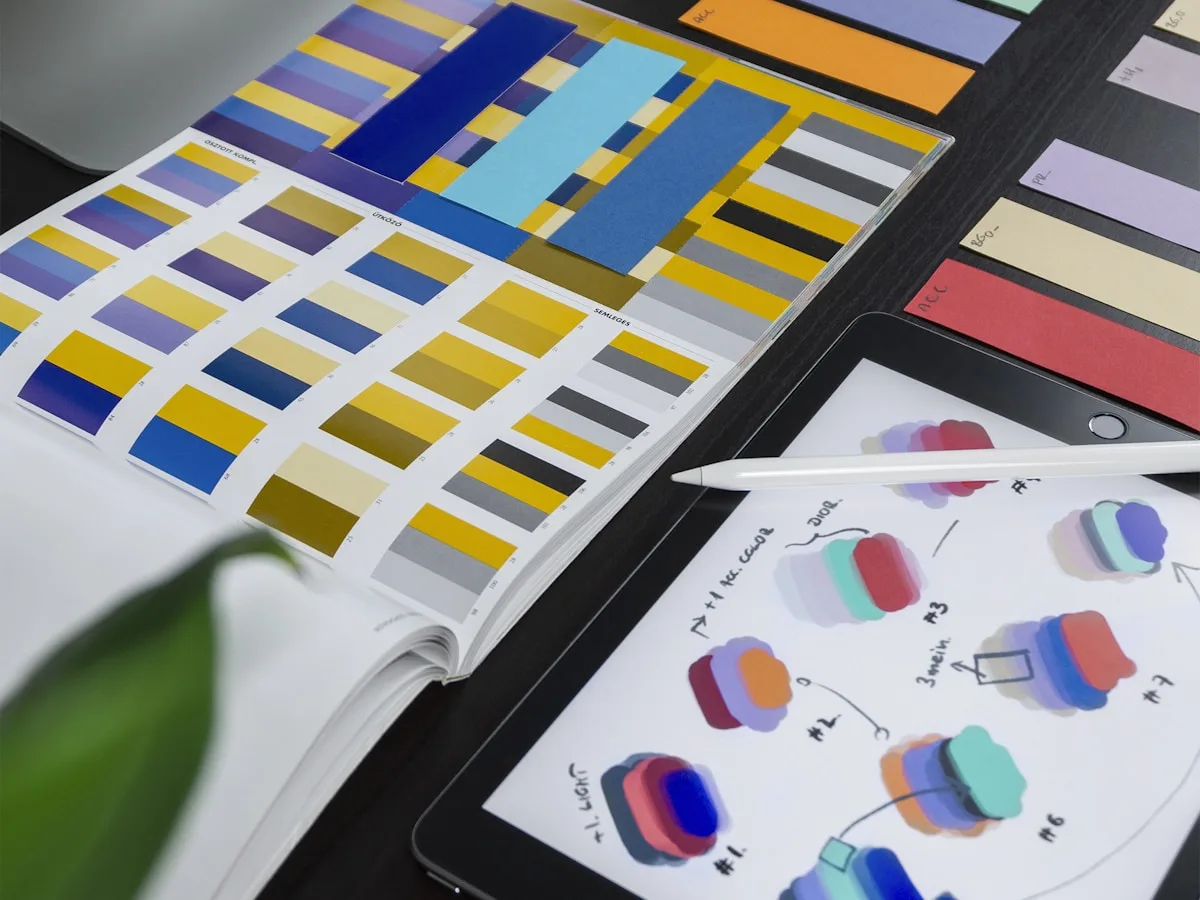
The right diagnosis
Most businesses confuse branding with graphic design.
Design is one of the channels through which a brand expresses itself. But the brand is something deeper than colors and logos.
When visual identity doesn't reflect actual positioning
A modern logo built on confused positioning is still a confused brand. Visual identity should be a consequence of positioning, not its substitute. What a company communicates visually must be coherent with what it says and what it does.
When the brand doesn't differentiate from competitors
If a client can't explain why they choose one company over another, the brand isn't doing its job. Branding exists to create perceived differentiation: making a company the obvious choice for the right client.
When the brand isn't consistent across all channels
A brand that looks one way on the website, another on Instagram and another on corporate documents is a brand that isn't perceived as coherent. Coherence isn't an aesthetic detail: it's credibility.
When branding isn't connected to business strategy
A brand that communicates well but targets the wrong client is misdirected effort. Effective branding starts by defining who the company wants to attract and what it wants that client to think and feel.
Before you decide
These questions determine whether the problem is design, positioning or communication strategy.
- 01 Can you explain in one sentence what your company does and why it's different from the competition?
- 02 Can your ideal client identify your brand among several in the same sector without seeing the name?
- 03 Does the current visual identity reflect the real level and positioning of your company?
- 04 Is the communication tone consistent across all channels where you have a presence?
- 05 Do you have a brand manual that your team and suppliers apply coherently?
- 06 Does your brand communicate something different from competitors, or does it look like a variation of the same?
- 07 Does your company name clearly communicate what you do or represent your proposition well?
- 08 Has your brand evolved as the business has grown, or is it still the same as it was 10 years ago?
If you answered "no" to more than three questions, the problem may lie in the positioning, not just the design. We can help you understand it.
Field experience
The most common mistakes when working on brand
Based on situations we frequently encounter in real-world projects.
Starting with the logo before the positioning
The logo is the visual expression of the brand, not the brand itself. Designing a logo without first defining what the company communicates, who it speaks to and how it differentiates produces a visual identity without direction.
Copying the aesthetic of industry leaders
Visually aspiring to your industry's reference points makes your brand look like them, not different from them. Effective branding starts with differentiation, not imitation.
Not involving the team in the brand process
The brand doesn't live only in visual materials: it lives in how the team speaks, responds to clients and makes decisions. Without internal alignment, the external brand isn't credible.
Changing visual identity without changing positioning
A redesign that changes colors and typography but doesn't touch the company's core message produces a new brand that says the same as the previous one. Visual change without strategic change is expensive and low-impact.
Not having a brand manual
Without a document defining how the identity should be applied, each piece of communication becomes a different interpretation. Inconsistency destroys the perception of professionalism.
Confusing naming with branding
The name matters, but it isn't the brand. Many companies with hard-to-pronounce names have strong brands. The name is the entry point; coherence over time builds the brand.
The right solution
What type of brand project do you need?
Branding isn't a single type of project. It depends on the business's current stage and what already exists.
Identity from scratch
Ideal for new businesses or brands that don't have a defined identity.
Naming (if applicable), positioning, complete visual identity, communication tone and brand manual. The full construction of identity from the ground up.
Rebranding
Ideal for companies whose brand no longer reflects their current level or direction.
Analysis of the existing brand, repositioning and evolution or complete renewal of the visual identity while preserving accumulated brand equity.
Product line identity
Ideal for companies launching a new product or service under a different brand.
Brand architecture, differentiated identity that remains coherent with the parent brand and a communication system for the new product.
Brand manual and system
Ideal for companies that have an identity but don't apply it coherently.
Documentation of all brand elements, usage rules, permitted variations and application guides for the team and suppliers.
Brand audit
Ideal for companies that don't know if their brand is working before investing in changing it.
Analysis of the brand's current state: perception, coherence, differentiation and recommendations before making investment decisions.
How we work
Design comes later. Brand strategy comes first.
At Maccam, branding doesn't start with moodboards or color palettes. It starts by understanding what the business wants to communicate, who it wants to attract and what it wants that client to think when they see the brand.
That's why every branding project begins with our strategy methodology — a process that defines positioning, the message and brand personality before design takes shape.
See our methodology →Diagnosis and brief
We analyze the business, the market, the competition and the ideal client. We define the strategic objective of the brand project.
Positioning and brand platform
We define the differentiated value proposition, brand personality, tone and core message. The strategic architecture that the visual identity is built upon.
Visual identity
Development of the visual system: logo, palette, typography, iconography and graphic component system. Presentation of options and grounded selection process.
Brand manual
Complete documentation of the identity: correct and incorrect uses, applications in different contexts and guides for the team and external suppliers.
Implementation and follow-up
Support in applying the new brand across the main touchpoints: website, social media, stationery, presentations.
Project scope
What our branding service includes
Scope varies by project type. This is what's part of a complete identity process:
Use cases
Does your business fit here?
These are the scenarios where branding has the most real impact on business.
You're launching a new company or product and need to build from day one an identity that communicates professionalism and differentiation.
Your company grew and evolved, but the brand is still the one from the garage ten years ago. The perception it generates is no longer at the level of the business today.
Your business is entering Miami, another U.S. market or an international market and needs a brand that works culturally and visually in that new context.
Two companies or brands are joining and need a new identity that reflects the new reality without losing accumulated brand equity.
Every channel of your company looks different. The team doesn't know how to apply the brand. Suppliers create pieces that don't resemble each other. You need a system and a manual.
Your company has a good reputation but the brand doesn't clearly communicate why a client should choose you. Branding can articulate that difference in a visible, coherent way.
Frequently asked questions about branding
The process behind branding
If you want to understand how we build brand identities from perception diagnosis to complete verbal and visual identity, explore our branding methodology.
Does your brand truly represent you?
Let's talk before making any decisions.
You don't need to know whether you need a new logo, a rebrand or an audit. Tell us where the problem is and we'll evaluate together what makes sense to do.